
Safe and Sound Security Systems, Inc.

Fiber Optic Installation & Splicing

Single-mode and multi-mode fiber optic installation, splicing, and termination for long-distance, high-bandwidth connections.

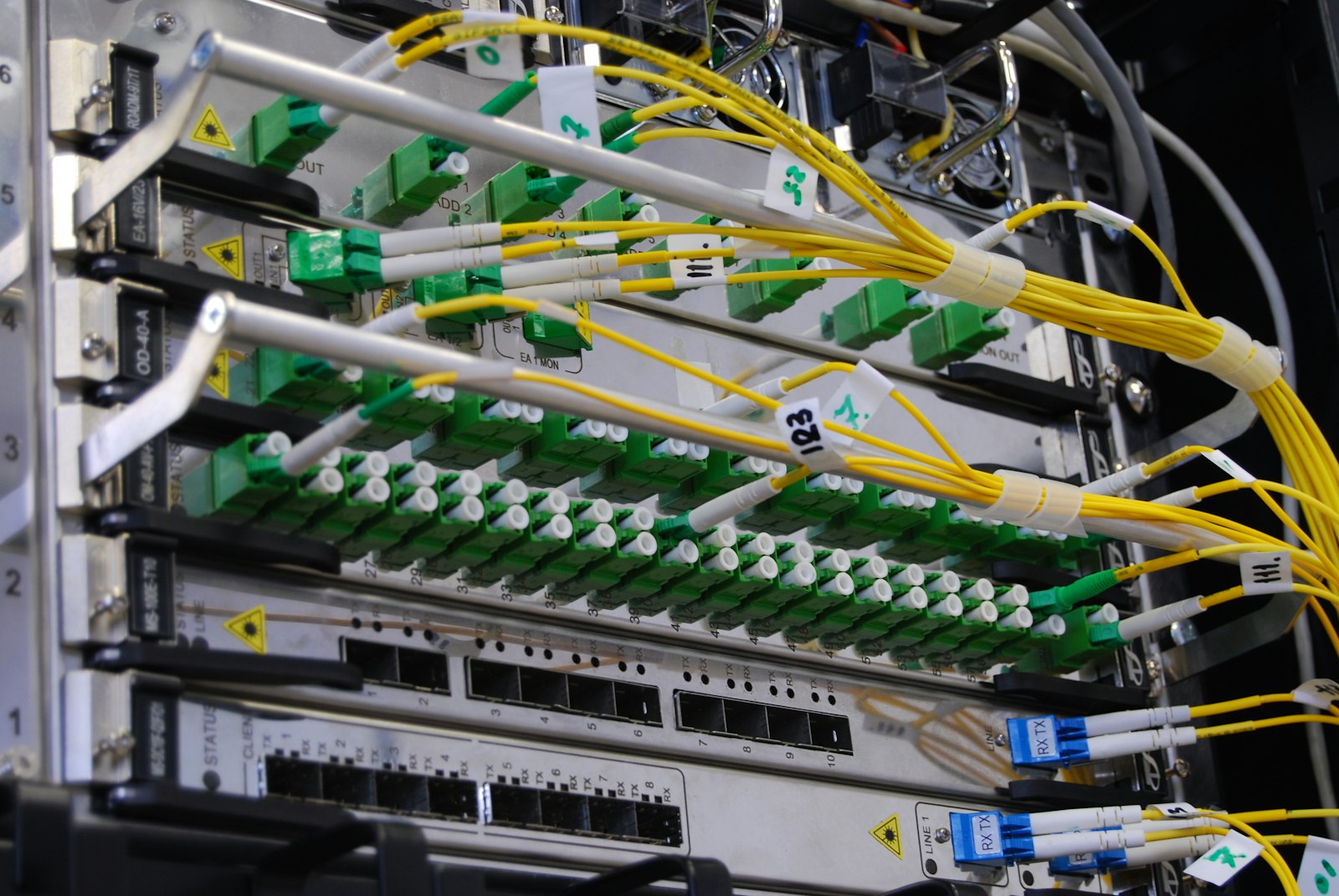
Copper cabling has distance and bandwidth limits that fiber doesn’t. When a project calls for connecting buildings across a campus, running backbone between a data closet and a remote building, or supporting high-bandwidth camera and network traffic over long distances, we design and install single-mode and multi-mode fiber optic cabling to handle it. This is one of the areas we’ve invested the most in — dedicated splicing equipment, OTDR test gear, and technicians trained specifically on fiber work, rather than treating it as an occasional add-on to a copper cabling job. Our technicians fusion-splice and terminate every run in-house rather than subcontracting it out, then test and certify each connection with an OTDR (optical time-domain reflectometer) before calling the job done — so a bad splice doesn’t turn into a mystery outage six months later. Fiber is frequently the backbone that ties together everything else we install: cameras and access control spanning multiple buildings, a security system covering a full campus, or a network that simply needs to cover more distance than copper allows.
Fiber Optic Installation & Splicing

What’s Included

Features

Single-mode and multi-mode fiber installation
Fusion splicing and mechanical termination
OTDR testing and certification of every run
Aerial, underground, and indoor fiber runs
Fiber-to-copper media conversion
Campus and building-to-building backbone design

Where It’s Used

Applications

Multi-building campuses and business parksLong-distance camera and network backbone runsData center and server room interconnectsMunicipal and government facility campusesNew construction requiring high-bandwidth infrastructure

Who We Serve

Industries We Serve

Commercial & RetailHealthcare & Senior LivingEducationGovernment & MunicipalIndustrial & Warehouse

Frequently Asked Questions

What’s the difference between single-mode and multi-mode fiber?

Single-mode fiber supports longer distances and higher bandwidth, and is the usual choice for backbone and building-to-building runs. Multi-mode is more cost-effective over shorter distances. We’ll recommend the right type based on your actual distances and bandwidth needs.

Do you test fiber runs after installation?

Yes — every splice and run is tested and certified with an OTDR before we consider the job complete, so you have documented proof of signal quality instead of just an assumption that it works.

Can fiber be run underground or between buildings?

Yes, we install aerial, underground (direct-burial or conduit), and indoor fiber runs, and coordinate the civil work that comes with outdoor and underground installs.

Our Process

How It Works

01

Free Consultation

We visit your property, listen to your concerns, and assess what it actually needs.

02

Custom System Design

We design a system around your property’s layout — never a one-size-fits-all package.

03

Professional Installation

Our own trained technicians install and test every component before we call it done.

04

Ongoing Monitoring & Support

We stay on as your local support team for service, upgrades, and monitoring.

Ready to get started?

Talk to Safe and Sound Security Systems, Inc. about a fiber optic installation & splicing solution built for your property.

Contact Us